Equipment rollouts for new menu items require planning that begins well before the equipment reaches a restaurant, according to Bryan Musgrove, divisional senior director on national accounts for TriMark USA. He shared practices drawn from rollouts supporting menu additions.
Musgrove recommends creating a playbook that assesses each location. In one rollout, a brand added toasted sandwiches to a breakfast lineup of biscuits and wraps and needed new toasters. Some sites had maxed-out electrical capacity, while small mall or urban locations lacked counter space. In those cases, adding shelving or another table could create room but affect workflow. The playbook should distinguish locations that are plug-and-play from those needing additional support.
The schedule should be built around the manufacturer's lead time. Musgrove gives the example of an order for 200 units: at 10 units a week, production would take 20 weeks. A manufacturer might have inventory for the first 50 units, then require eight weeks to order overseas parts before completing the rest. For a launch tied to a season or occasion and supported by marketing, operators should work backward from the target date to set an achievable timeline.
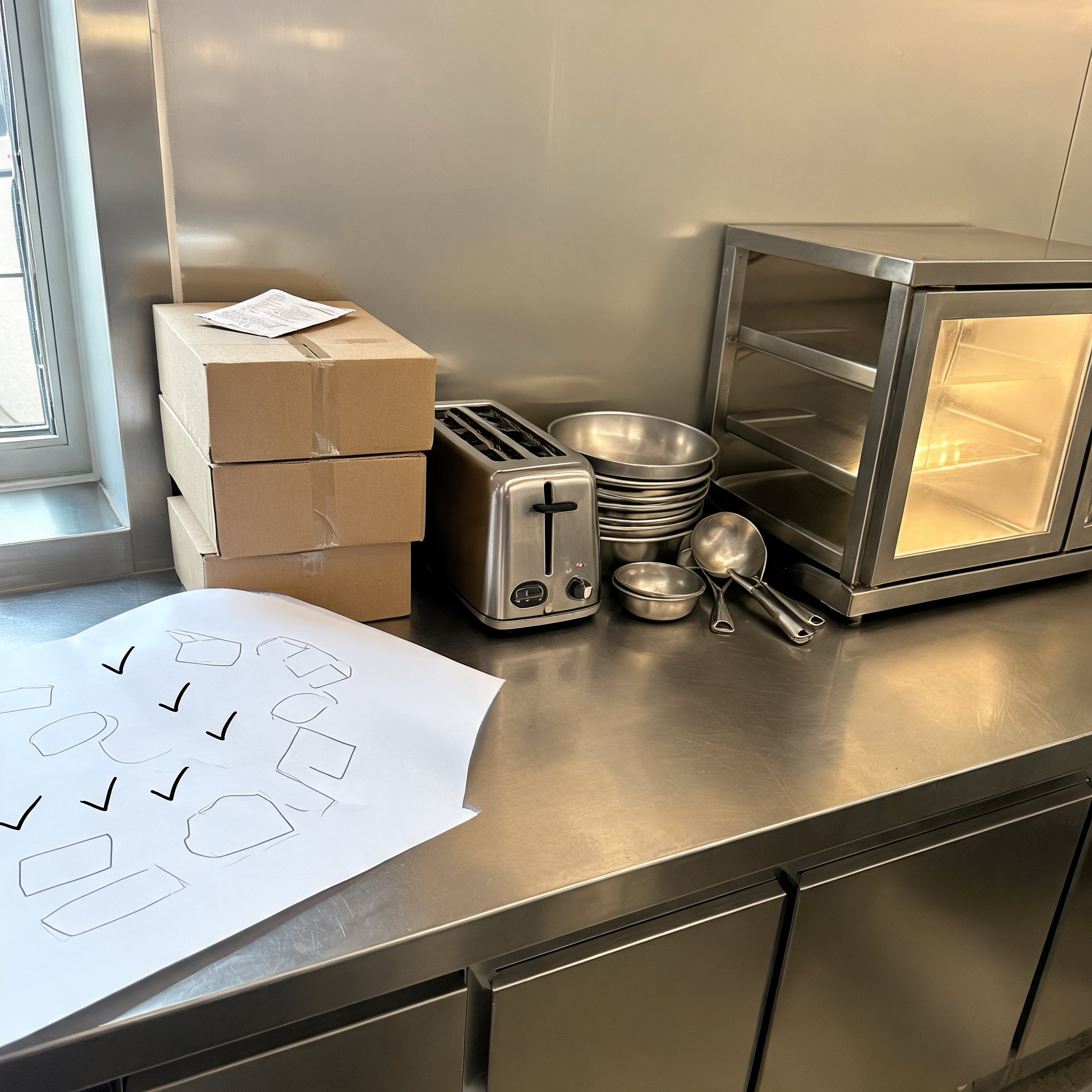
Packaging can also be adjusted to make deliveries easier. Rather than shipping smaller wares to each location in their original boxes, operators can ask the dealer to consolidate and repackage items into one package per location. In a rollout adding macaroni and cheese to a side lineup, TriMark combined visual holding cabinets, pans and serving scoops in various sizes into one package per location. The packages included instructional materials and exterior labeling so managers knew what had arrived.
Musgrove says following these practices—matching support to each site, scheduling from lead times and simplifying deliveries—can help ensure a smooth rollout. If the plan works, the new menu item can create consumer interest and bring in more traffic.