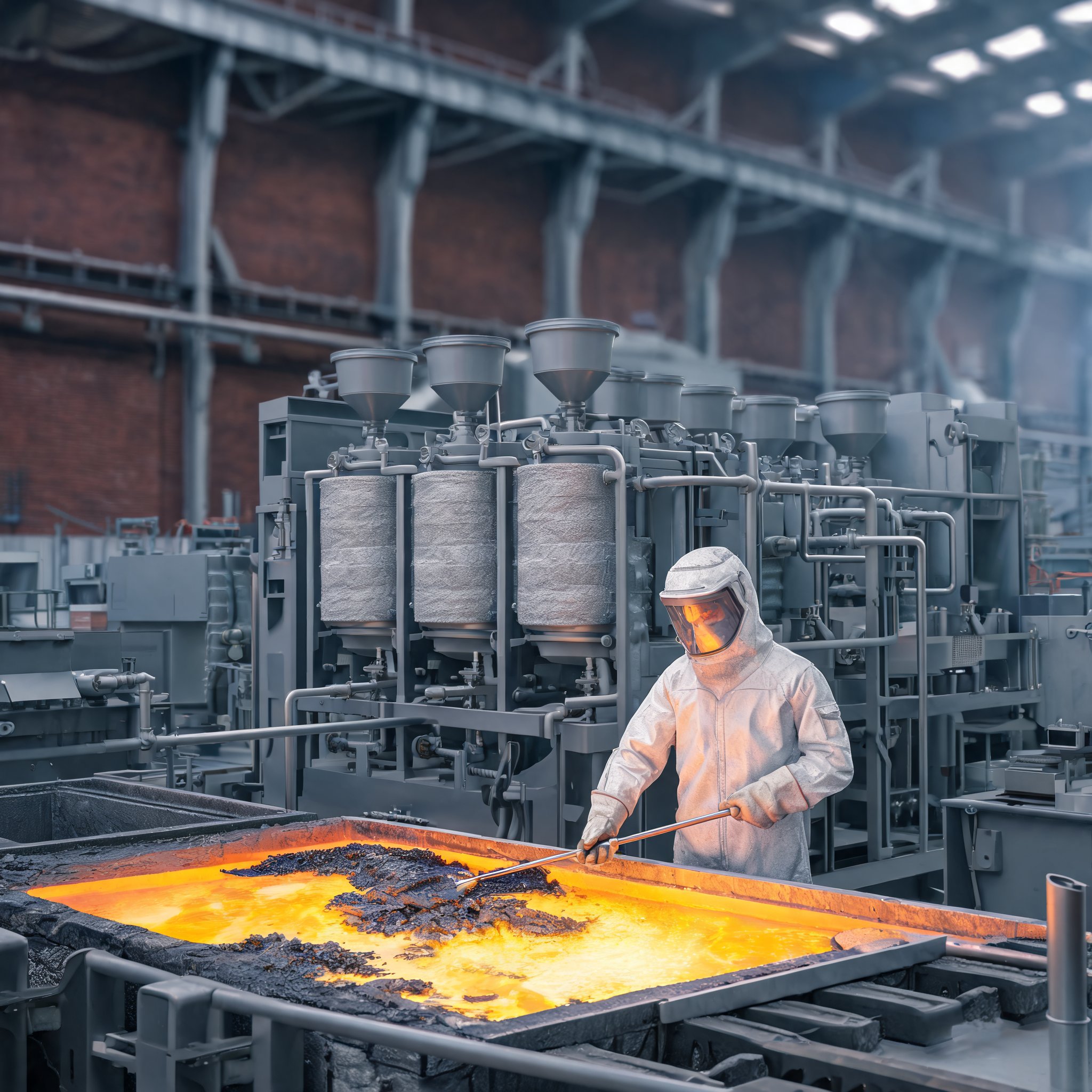
PyroGenesis Inc. has completed the deployment of seven Drosrite aluminium dross recovery systems at a purpose-built plant in Saudi Arabia, closing out its original contract with Radian Oil and Gas Services Company. The Montreal-based technology provider said on October 15, 2026, that the final four systems had been installed and were operational at the facility.
The installation comprises two systems rated at 5,000 tonnes per year and two rated at 10,000 tonnes per year. According to PyroGenesis, the larger units are the first of that capacity it has deployed anywhere. Together, the seven systems can process up to 45,000 tonnes of aluminium dross annually. The plant sits within what the company describes as the world's largest vertically integrated aluminium production complex.
Original seven-system contract fulfilled
Radian had initially engaged PyroGenesis to design, engineer, install and commission seven Drosrite systems for dross processing. The first three units, each with a capacity of 5,000 tonnes per year, entered full commercial operation in April 2022 at a temporary facility while the new plant was being engineered and constructed. Those three systems have since been moved to the purpose-built facility alongside the four newly operational units, bringing total annual processing capacity at the site to 45,000 tonnes of dross. PyroGenesis said additional processing requirements could emerge as the wider aluminium complex continues to expand.
Recovering metal from aluminium waste
Aluminium dross forms when oxygen comes into contact with molten aluminium and solid impurities rise to the surface, where they are skimmed off. PyroGenesis says the material can contain as much as 80 per cent metallic aluminium mixed with oxides, salts, fluxing agents and other contaminants.
The company estimates that smelters can lose between 2 and 10 per cent of their annual aluminium melt production through dross. Traditionally the material has been landfilled or reprocessed using salt or chemicals. PyroGenesis says its patented Drosrite technology can recover up to 98 per cent of the aluminium contained in dross, with lower operating costs and energy consumption than some conventional processes. The salt-free method is also designed to avoid producing hazardous salt cakes that require disposal, allowing dross to be processed on-site.
Rising output increases dross management needs
President and CEO P. Peter Pascali said growing aluminium demand was increasing the need to manage production by-products effectively. He added that poorly processed or landfilled dross represents both a loss of recoverable material and an environmental challenge for the industry.
PyroGenesis cited industry figures putting total aluminium usage, including primary and recycled metal, at 100.8 million tonnes in 2024, up from 82 million tonnes in 2016, while smelter output rose from 59.9 million tonnes to 72.9 million tonnes over the same period. The company also cited estimates that dross generation could grow by 3 to 4 per cent annually. Roughly 4.78 million tonnes of dross was generated in 2024, though some estimates put annual generation as high as 8 million tonnes when smaller facilities and downstream operations are included.
An estimated 30 to 40 per cent of dross, particularly from the secondary aluminium sector, is still landfilled. Those figures underline the potential role of recovery technologies in reducing metal losses and managing waste as aluminium production expands.