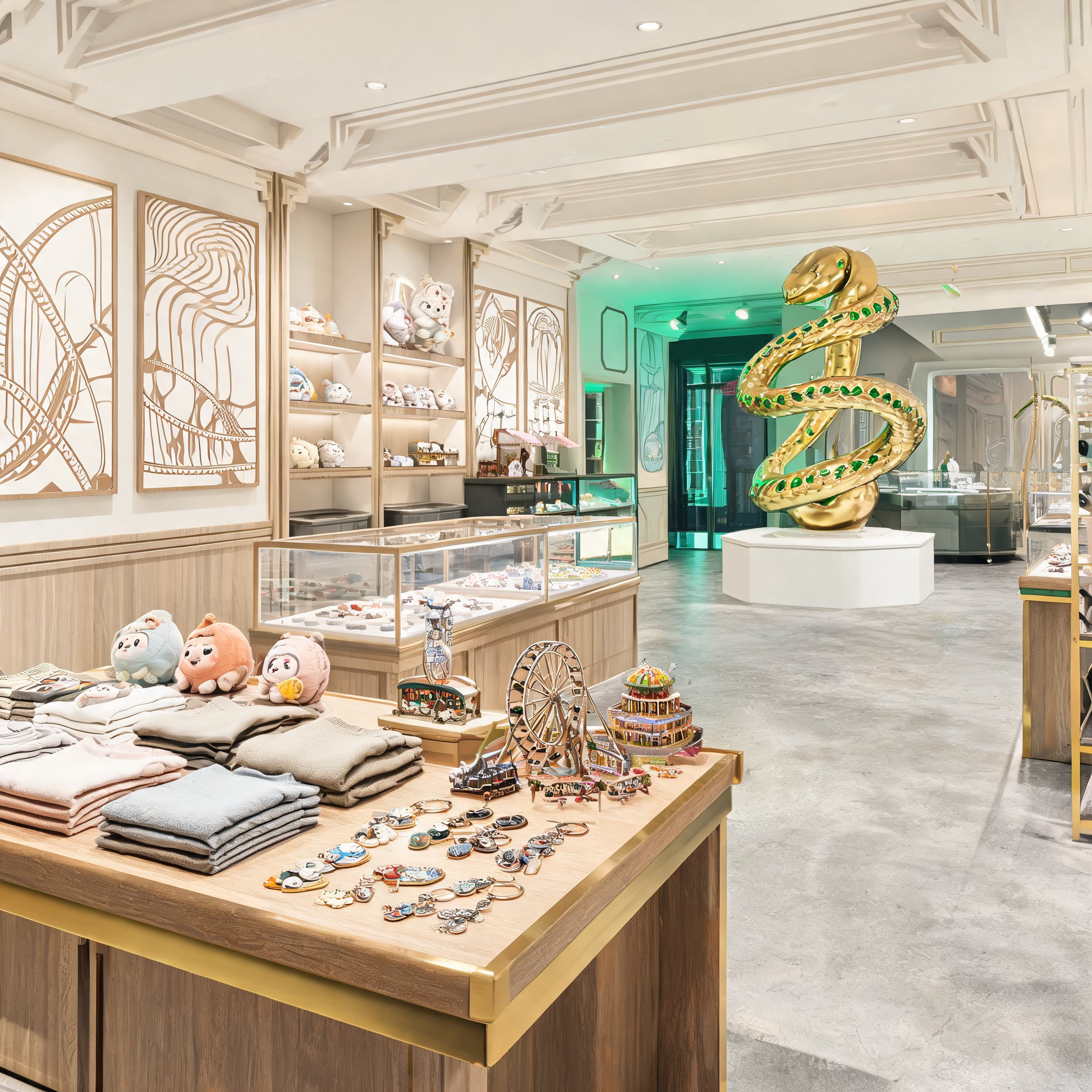
Pleasure Beach Blackpool, a 130-year-old seaside amusement park known for traditional rides, wooden roller coasters, the Big One and live shows, is using retail to extend the visit beyond the park. Its flagship shop sits at the main entrance in the Casino building, supported by outlets across the site. Damian Jackson, head of retail, oversees physical stores, e-commerce, ride photography and merchandise development, working with Amanda Thompson from concept through design, sampling and approval.
A portfolio built around visitor missions
Jackson rejects a single-merchandise approach because the park serves first-time families, school groups with limited spending money, teenagers, couples, international tourists, lifelong fans and serious coaster enthusiasts on the same day. A family may want a traditional souvenir; an enthusiast may seek an accurate collectable tied to a specific ride. Teenagers may prefer confectionery, accessories and trend-led clothing, while heritage-minded guests value nostalgia, craft and the resort's stories.
The range reflects those differences. It includes impulse purchases such as confectionery, magnets, keyrings and badges; practical items such as bottles, bags and ponchos; fashion-led apparel and accessories; children's products and plush; and premium or limited-edition pieces for collectors. Attraction-specific merchandise sits alongside broader Pleasure Beach branding, licensed ranges, playful products and heritage collections. Jackson argues that offering something for everyone means a tightly edited range in which each product has a purpose, a target customer and an appropriate price, not unlimited choice.
Attraction stories before logos
Aviktas, a new attraction, is the clearest example. Rather than applying the ride logo to generic products, the team built the range around the attraction's visual world: a golden snake, emerald colouring, mythology and mystery. Jackson says retail was involved early, while the creative identity was still being shaped. The range included a limited edition of 50 models priced at £250 each, which Jackson says sold out. He presents that as evidence that authenticity, detail and a strong attraction connection can support premium collectables, not as proof of a general market.
Development varies by attraction. ICON lends itself to a clean, contemporary, fashion-led treatment. Heritage rides such as the Big Dipper and Grand National draw on archive artwork, engineering details, nostalgia and generations of guest memories. Materials, colours, proportions, trims, embroidery, packaging and in-shop presentation are considered alongside intended customer, expected demand, price points, production quantities, lead times and sales locations. The product must be creatively distinctive and commercially viable.
Heritage, playfulness and licensed IP
The resort's 130-year history provides an archive of attraction imagery, typography, posters, architecture and stories. Jackson says the aim is not to make products look old-fashioned but to reinterpret authentic history through contemporary apparel, homeware and collectables. Playfulness sits alongside heritage: humour, colour, character and unexpected ideas broaden appeal to children, families and casual visitors. Mr Funshine is cited as nostalgia with a contemporary twist.
Licensed brands add another layer. Nickelodeon and Aardman properties, including Wallace and Gromit, require close partnership among the resort, the IP owner and approved suppliers. Brand guidelines and approvals matter, but so does how visitors encounter the characters at Pleasure Beach. To compete with general online retailers, Jackson says the resort seeks relevance and exclusivity through exclusive designs, attraction references, location-specific details, personalisation or products that commemorate the visit.
What customers ask for, and what retail requires
Jackson reports growing demand for products that feel exclusive, authentic and considered: attraction-specific merchandise, premium apparel, subtle branding, collectables, limited editions and items with a clear story. Visitors also want products they can use or wear after leaving, so a hoodie, cap, bottle or bag must work as an attractive object in its own right. Enthusiasts are described as particularly interested in accurate details, models, technical artwork and products that recognise a ride's history or engineering. Generic souvenirs and heavily branded items without a story have become less compelling, although keyrings, magnets, mugs and confectionery remain important and must keep evolving.
The operational basics are, in Jackson's account, just as important. Stock accuracy and availability are the least glamorous and most critical parts of retail. A strong product cannot generate revenue if it sits in a stockroom, has not been reordered, carries the wrong price or is missing where guests expect to find it. Deliveries, stock movement, replenishment, pricing, signage and daily compliance checks protect both revenue and the guest experience. Clear pricing builds trust, good housekeeping makes products more desirable and effective replenishment prevents missed purchases.
Suppliers are treated as creative and commercial partners rather than mere manufacturers. The resort shares the story, ambition and intended customer behind a range so suppliers can contribute ideas and translate a concept into a viable product. Reliability, quality, communication, lead times, compliance, pricing and consistency all matter.
Retail as part of the day
To encourage spending, Pleasure Beach uses a clear price architecture, from small mementos to premium collectables, and tries to show the additional value behind a trade-up: better materials, more detail, exclusivity, personalisation or a bundle. Product adjacencies are considered, such as a plush character and an outfit, a ride photograph and a frame, or attraction apparel and matching accessories. Retail is meant to feel like another chapter of the day rather than an obligatory gift shop at the exit. Themed environments, demonstrations, characterful displays, confectionery experiences, personalisation, ride photography and interactive selling are intended to make shopping part of the visit. Each shop should reflect its location, so a thrill-ride store differs from a children's character shop, a heritage collection or a confectionery outlet.
E-commerce extends the relationship beyond a park visit. Jackson says the online store lets enthusiasts follow launches, former visitors reconnect with memories and people who cannot travel to Blackpool buy selected products. Social media and email support new-product communication, interest testing and seasonal campaigns. Online purchasing behaviour can differ from in-park behaviour, giving the resort another view of demand and of which ranges resonate with enthusiasts and collectors.
Staff are central. Jackson describes retail colleagues as hosts, storytellers and brand ambassadors, not simply transaction processors. They can demonstrate a product, explain a range's story, suggest an addition or recognise when a guest needs help. Retail can also involve entertainment: making candy floss, helping a child build a teddy, demonstrating bubbles, presenting photographs or personalising a gift. Gift wrapping and personalisation are positioned for guests who want a purchase to feel more personal and less like something available from a general online marketplace.
An operator's account, not an industry benchmark
Jackson's references extend beyond theme parks to museums, heritage destinations, premium fashion brands, department stores and experiential retailers. Museums, he suggests, show how archives can be interpreted for contemporary audiences, while fashion and lifestyle brands offer lessons in product drops, collaborations, presentation and scarcity. He distinguishes inspiration from imitation: Pleasure Beach's aim is to create products guests associate only with the resort.
The account is a detailed statement of one resort's operating philosophy, not an independent audit of retail performance. Its lesson is structural rather than statistical. Pleasure Beach treats merchandise as part of attraction development, segments customers by mission and price point, uses storytelling to justify premium products and invests in unglamorous stock disciplines. Whether those choices produce sustained commercial returns is not established, but the logic is clear: retail works best, in Jackson's view, when it is planned into the guest experience rather than attached at the exit.