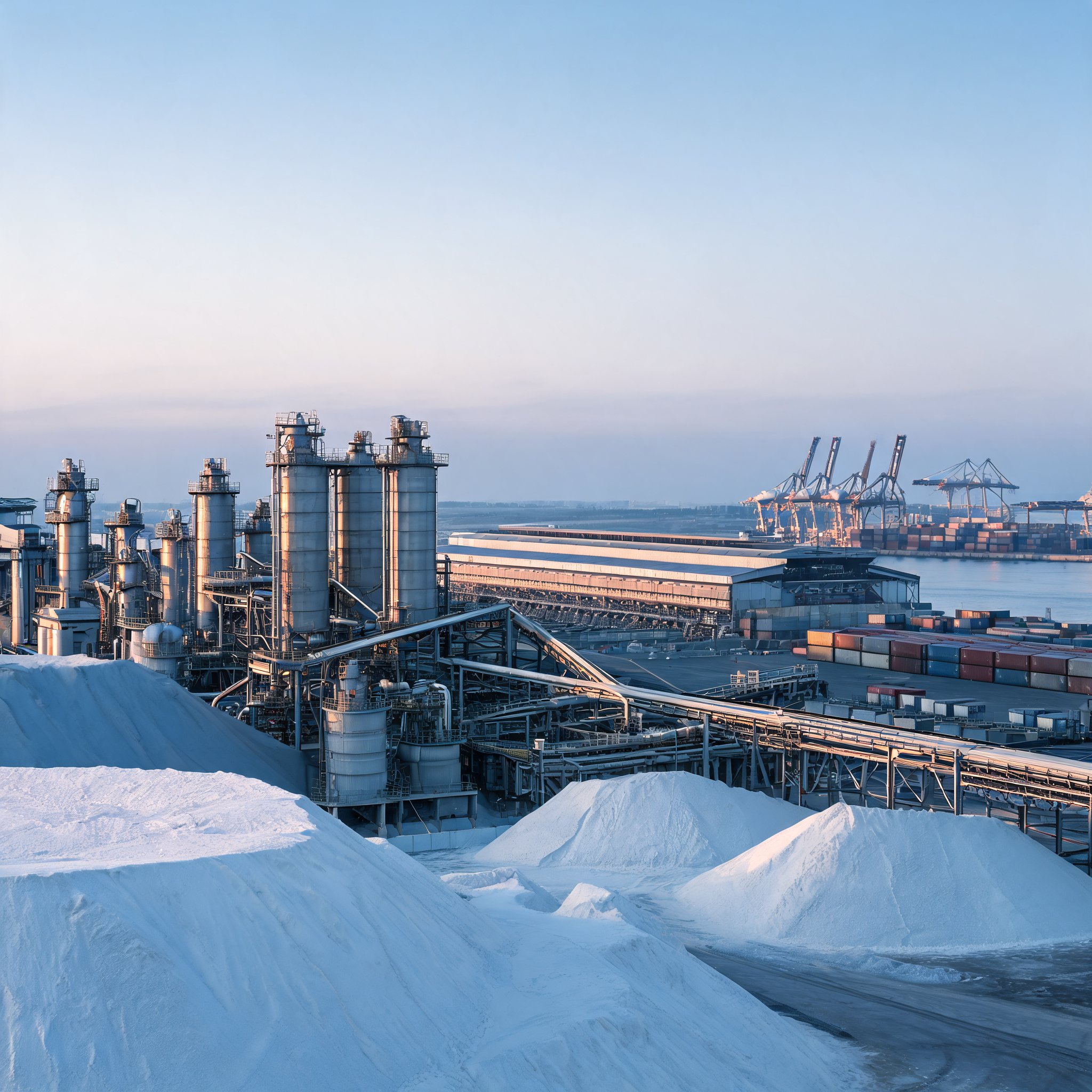
Nanshan Aluminium International Holdings reported that overseas alumina prices averaged around USD 321 per tonne in the first nine months of 2026, roughly 22 per cent below the same period of 2025, citing the unaudited results of its controlling shareholder.
The figures are drawn from the unaudited nine-month results of Shandong Nanshan Aluminium Co., Ltd. for the period ended September 30, 2026, prepared under Chinese accounting standards.
Overseas prices stayed subdued through the first half of 2026 and only began to recover in the third quarter. The company linked the improvement to the commissioning of overseas electrolytic aluminium smelters, which lifted expected alumina demand, and to production constraints at some alumina refineries.
Even with that third-quarter rebound, the January–September average held at about USD 321 per tonne, 22 per cent lower than in the same period of 2025.
Nanshan framed the market as shaped by two contrasting forces: additional demand generated by aluminium smelting capacity and tighter supply from some refineries.
The company noted that Shandong Nanshan Aluminium's unaudited financial and operational results, prepared under Chinese accounting standards, may not be directly comparable with Nanshan Aluminium International's statements, which follow Hong Kong Financial Reporting Standards.
Shareholders and potential investors were advised to exercise caution when trading the company's shares and not to place undue reliance on the unaudited information.
The overseas alumina price trend remains an important indicator for the aluminium value chain as smelting demand and refinery supply continue to shift.