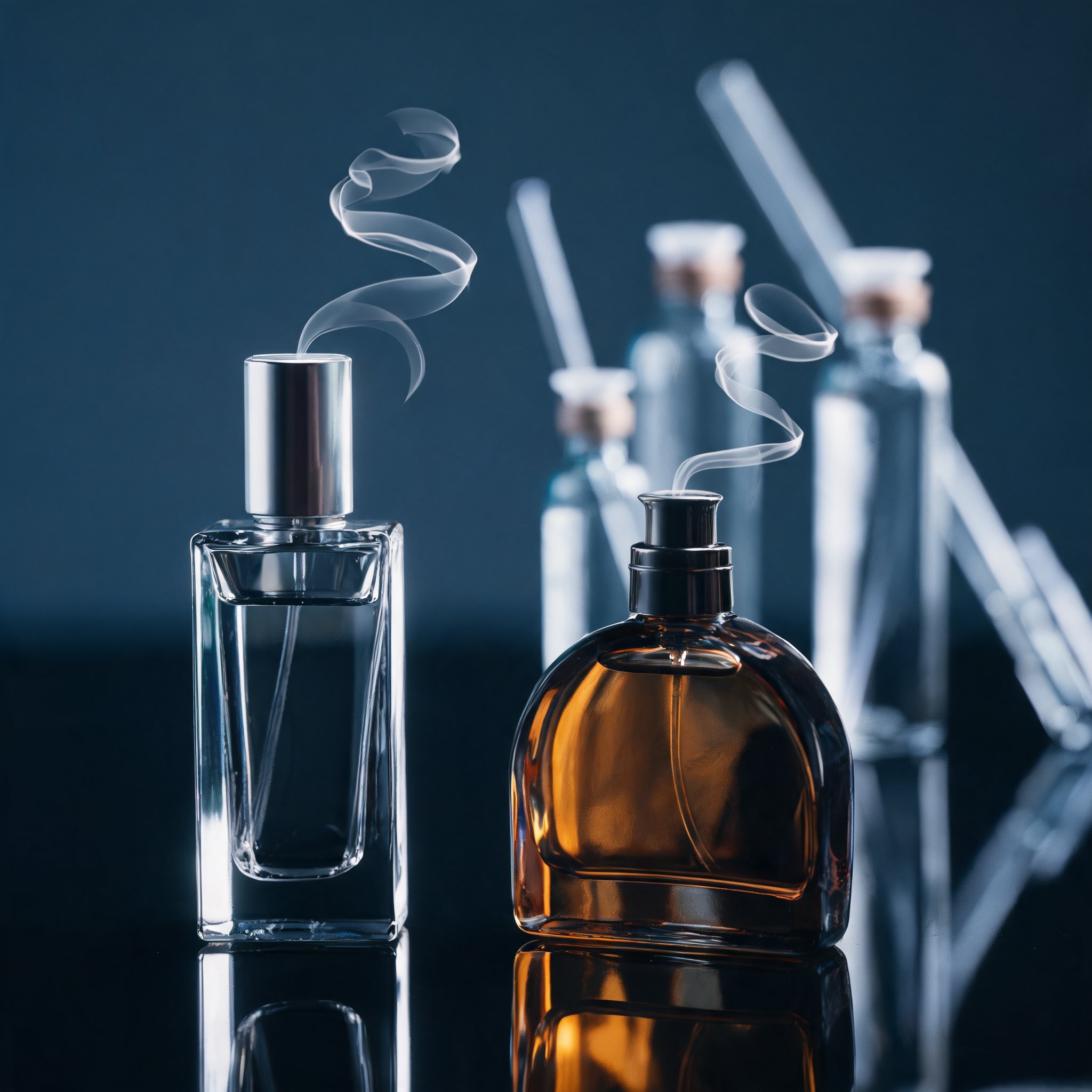
Givaudan’s third-quarter like-for-like sales rose 8.6%, almost twice the 4.7% that analysts had expected, and the Swiss fragrance and flavour maker tied the acceleration to a surge in scents for luxury perfumes. The update lifted the company’s shares nearly 7% to a 15-month high and dragged sector peers higher in early trading.
Fine fragrance carries the quarter
Fragrance & Beauty, the division that houses the group’s perfumery operations, generated CHF 3.15 billion (US$3.78 billion) in the first nine months, an 8.8% LFL gain that outpaced the 8% growth booked in the same period a year earlier. Those nine months account for roughly 53% of Givaudan’s overall sales, underscoring how much of the group’s momentum now rests on scent rather than taste.
The scale of that contribution is notable: with Fragrance & Beauty at about 53% of nine-month group sales, the perfumery business is now the group’s centre of gravity, and its quarterly swing from 6.8% to 13.5% LFL growth explains much of the group-level acceleration.
In the third quarter alone the division produced CHF 1.14 billion (US$1.37 billion), a 13.5% LFL increase, up from 6.8% growth in the third quarter of 2025. Within it, Fine Fragrance sales climbed 15.3% LFL against a competitive prior-year comparable of 18.7% — a second consecutive year of double-digit expansion, which the company reads as evidence of continued resilience in fine fragrances and strong demand across the premium perfume market. Reuters reported that analysts at Vontobel and Jefferies put Fine Fragrance organic growth at roughly 31% in the quarter, well above the divisional average.
Consumer products advance, ingredients retreat
Consumer Products sales rose 9.3% LFL against a prior-year comparable of 5.9%, a signal that fragrance demand stretches beyond fine perfumery into personal, oral, home and fabric care. The Fragrance Ingredients and Active Beauty businesses moved the other way: their combined sales fell 2.5%, compared with a 1.5% LFL increase over the first nine months of 2025.
Organic growth versus the reported picture
Givaudan’s LFL figures strip out acquisitions. On a reported basis, acquisitions added 2.8 percentage points to Fragrance & Beauty growth across the nine months while currency translation subtracted 3.8 points; at group level, acquisitions contributed 1.4%. Two transactions the company singles out are Belle Aire Creations for CHF 62 million (US$74.48 million) and Vollmens Fragrances for CHF 20 million (US$24 million). Group sales for the first three quarters reached CHF 5.89 billion (US$7.08 billion).
The distinction matters when reading the headline number: the organic rate describes the underlying business, while the currency drag means reported growth is materially lower, and the acquisition contribution reflects deals rather than demand.
Regional split rewards high-growth markets
Asia Pacific was the group’s fastest-growing geography, with sales up 10.6% LFL in the first nine months of 2026 against 4.6% a year earlier; inside Taste & Wellbeing the region rose 7.1% LFL, versus a 0.5% decline in the same period of 2025. South Asia, Africa and the Middle East grew 4.1% LFL, compared with an 8.8% comparable; Europe 1.5% against 3.8%; and Latin America 1.1% against 3.1%. High-growth markets as a whole advanced 7.9%, against a more modest 2.7% in mature markets.
North America proved the hardest region. Taste & Wellbeing there fell 3.3% LFL, compared with a 3.9% decline in the first nine months of 2025, although the region overall still grew 1.1%. Givaudan did not break the region’s figures out by category, and it attributes the drop mainly to continued weakness in the Health and Functional business unit and to US tariff refunds made to Givaudan customers during the third quarter of 2026.
How the market read it
Vontobel analyst Arben Hasanaj said the acceleration should reinforce confidence in Givaudan’s growth profile and resilience, according to Reuters. The read-across was immediate: dsm-firmenich, Novonesis and Symrise shares rose between 1.6% and 3.1% in early trading after the report.
Taken together, the numbers point to a persistent appetite for fragrance among consumers and brands, and to continued potential in fine fragrances, fragrance ingredient differentiation and premiumisation. The company stresses the consistency of its growth despite geopolitical and macroeconomic volatility, presenting it as a mark of market resilience.
That acceleration was uneven across the portfolio: Fine Fragrance and Consumer Products both grew at double-digit or near-double-digit rates, while Fragrance Ingredients and Active Beauty slipped, so the composition of growth is narrower than the top line suggests.
The qualifications are worth keeping in view. The eye-catching organic rate sets aside acquisitions and currency; the ingredients and active beauty businesses are still contracting; and North America remains a drag. The strength of the quarter is concentrated in premium perfumery rather than spread evenly across the portfolio, and the fine-fragrance comparison is being measured against an already elevated 18.7% base from a year earlier — a base that makes the latest gain harder, not easier, to repeat.