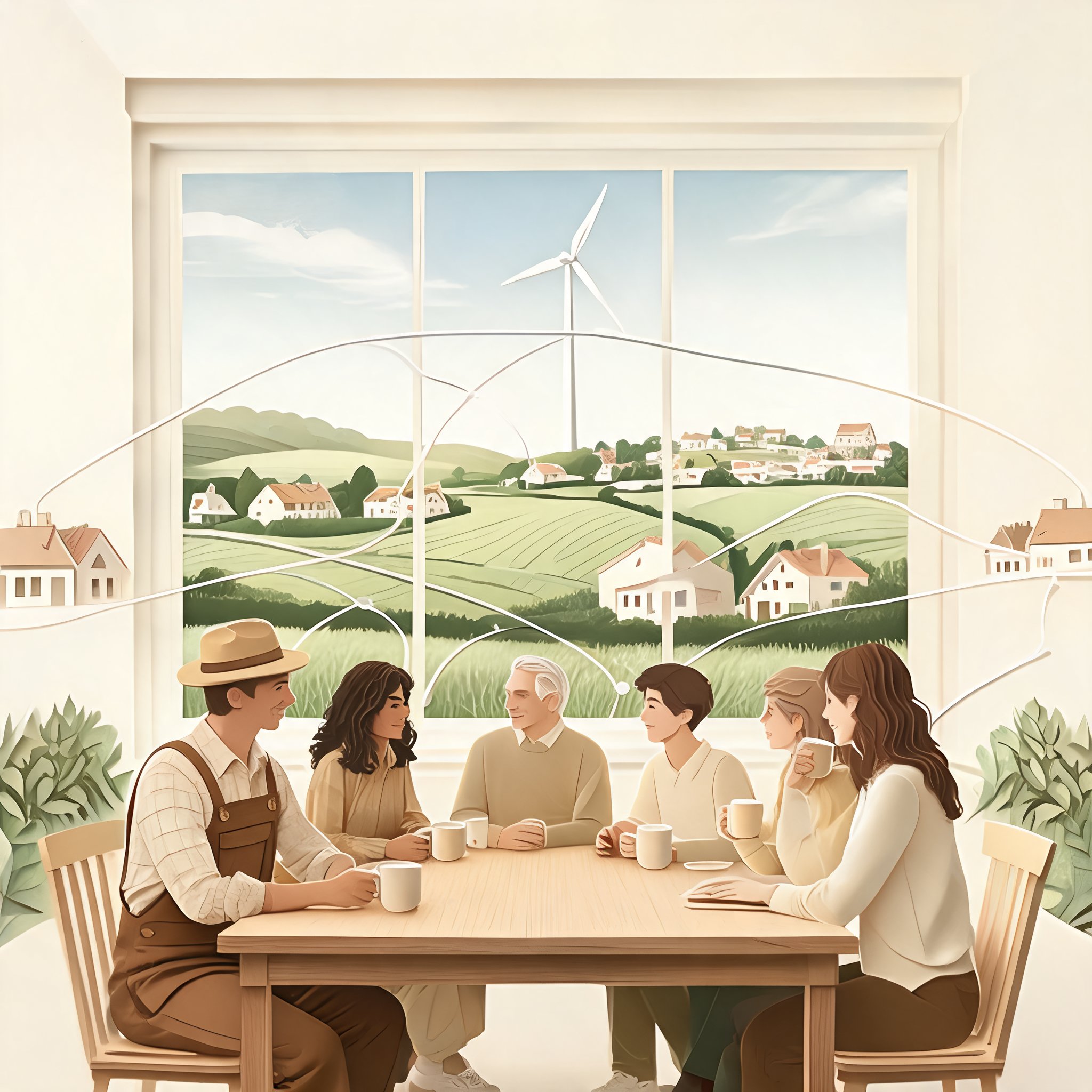
A pilot initiative designed to address isolation among farmers and rural communities is due to be launched this year, with co-funding from the Department of Rural and Community Development and the Gaeltacht and the Department of Agriculture, Food and the Marine (DAFM).
The project will examine locally based and innovative ways of tackling rural isolation, with a particular focus on farmers. Its aims include strengthening social connections and improving wellbeing in rural areas. It is one of 240 commitments in the government’s new Our Rural Future 2026-2031 policy, launched on Tuesday, October 27.
Policy structure and delivery
The policy contains 34 high-level commitments organised around five “strategic pillars”. The government said these would support the continued development of rural Ireland and bring together commitments from departments to give rural communities the infrastructure, services and supports they need. An action plan sets out measures for departments and agencies in the first half of the policy period, with further actions to be developed through 2031.
Agriculture and farm-level measures
For DAFM, the commitments include developing and implementing an effective Common Agricultural Policy (CAP) after 2027. The policy calls for advocacy of a strong, well-funded CAP that continues to prioritise a strong LEADER Programme.
DAFM is also tasked with introducing a National Framework for Carbon Farming by the end of this year. The framework is intended to guide the development of a Carbon Farming Scheme to strengthen farm incomes. The policy says the department should promote renewable energy production and uptake on farms, including biomethane and solar energy, and it identifies 25 key actions to underpin an indigenous biomethane industry of scale.
Other agriculture-related commitments include making progress on recommendations in the Commission on Generational Renewal in Farming report and implementing the Women in Agriculture Action Plan. The policy also commits to delivering more farm safety and health and wellbeing initiatives for farmers.
Rural investment, services and consultation
The government also plans to develop and launch a new Strategic Rural Investment Fund to help develop sites and infrastructure for enterprise and employment creation. Further actions include completing the National Broadband Plan by the end of next year and expanding Local Link bus services.
The policy was informed by consultation and engagement with rural communities and stakeholders, according to the government. Regional events are planned for the coming months to provide information on funding opportunities and supports.
At the launch, Taoiseach Micheál Martin said rural Ireland was central to national identity and the country’s future. He said the policy reflected a commitment to balanced regional development and recognised that delivering the ambition for rural Ireland required a coordinated, whole-of-government approach, with rural communities at the heart of decision-making.
Minister for Rural and Community Development and the Gaeltacht Dara Calleary said the plan built on the achievements of the initial policy launched in 2021. He said it would strengthen existing supports while introducing measures to help communities respond to changing needs, strengthen local economies and services, and make the most of advances in digital connectivity.