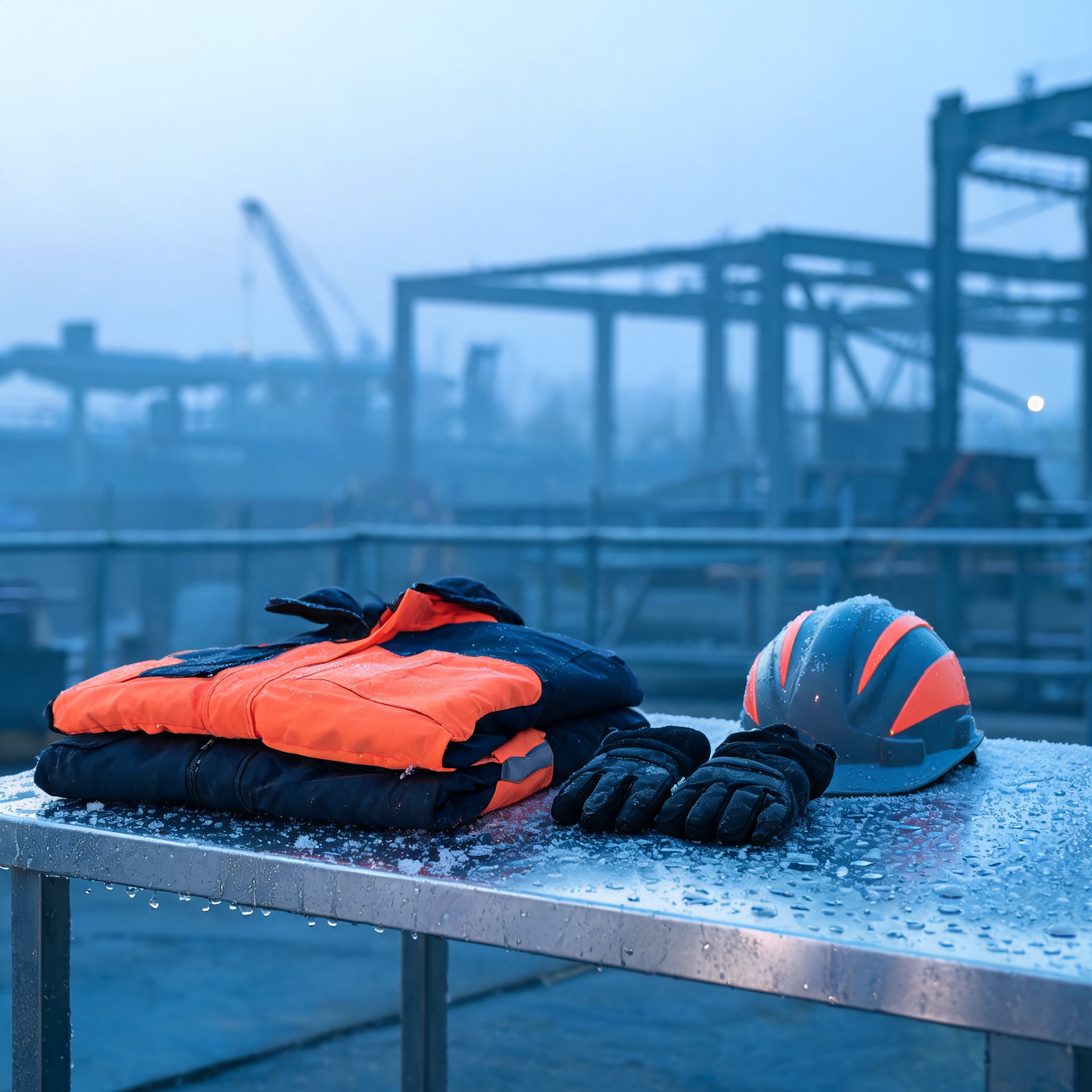
CWS Workwear International GmbH in Dreieich has published guidance on five common protection gaps in winter personal protective equipment (PPE), warning that risks can rise when outdoor work continues through short daylight, wet conditions and frost and PPE is not adjusted.
The company says the main problem is not necessarily a single defective item. It emerges from the way clothing layers interact. Individual garments may carry certification, but the combination actually worn may fail to meet the requirements of relevant standards.
Winter Layering as a System
Cold, damp and low-light conditions change the hazard profile at outdoor workplaces. If workers add or substitute layers for warmth without reviewing the complete ensemble, the certified performance of each component may not carry over to the assembled system. CWS Workwear frames this as a recurring source of protection gaps and advises employers and wearers to consider winter PPE as a combination rather than a set of separate items.
The practical check is the assembled outfit: the layers selected for warmth must still work with the protective clothing they are worn with. The guidance identifies five typical gaps, but its key message is preventive: verify that the layers used together still satisfy the relevant norms before winter deployment. That requires attention to the complete clothing system, not only labels on individual pieces.